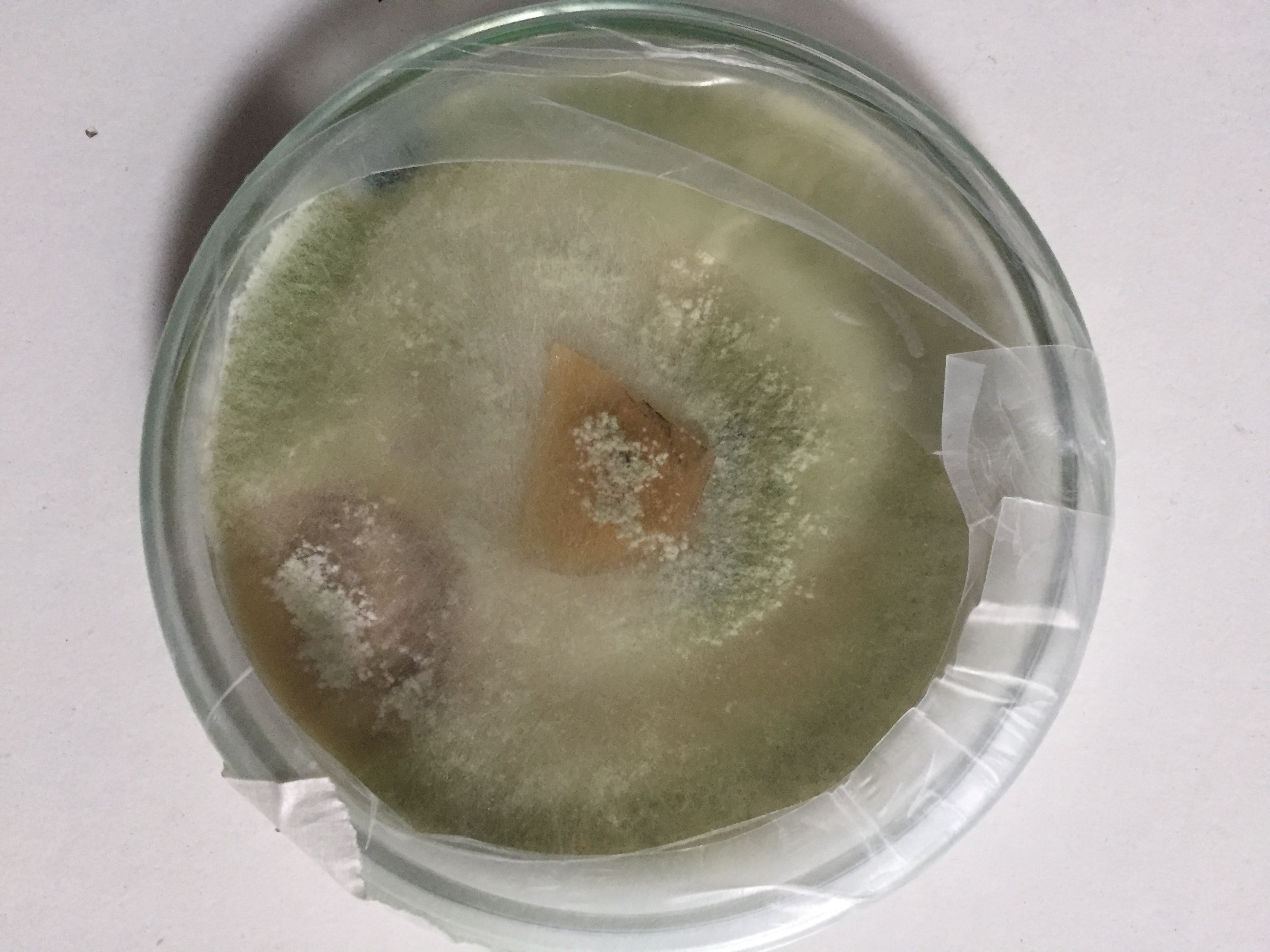
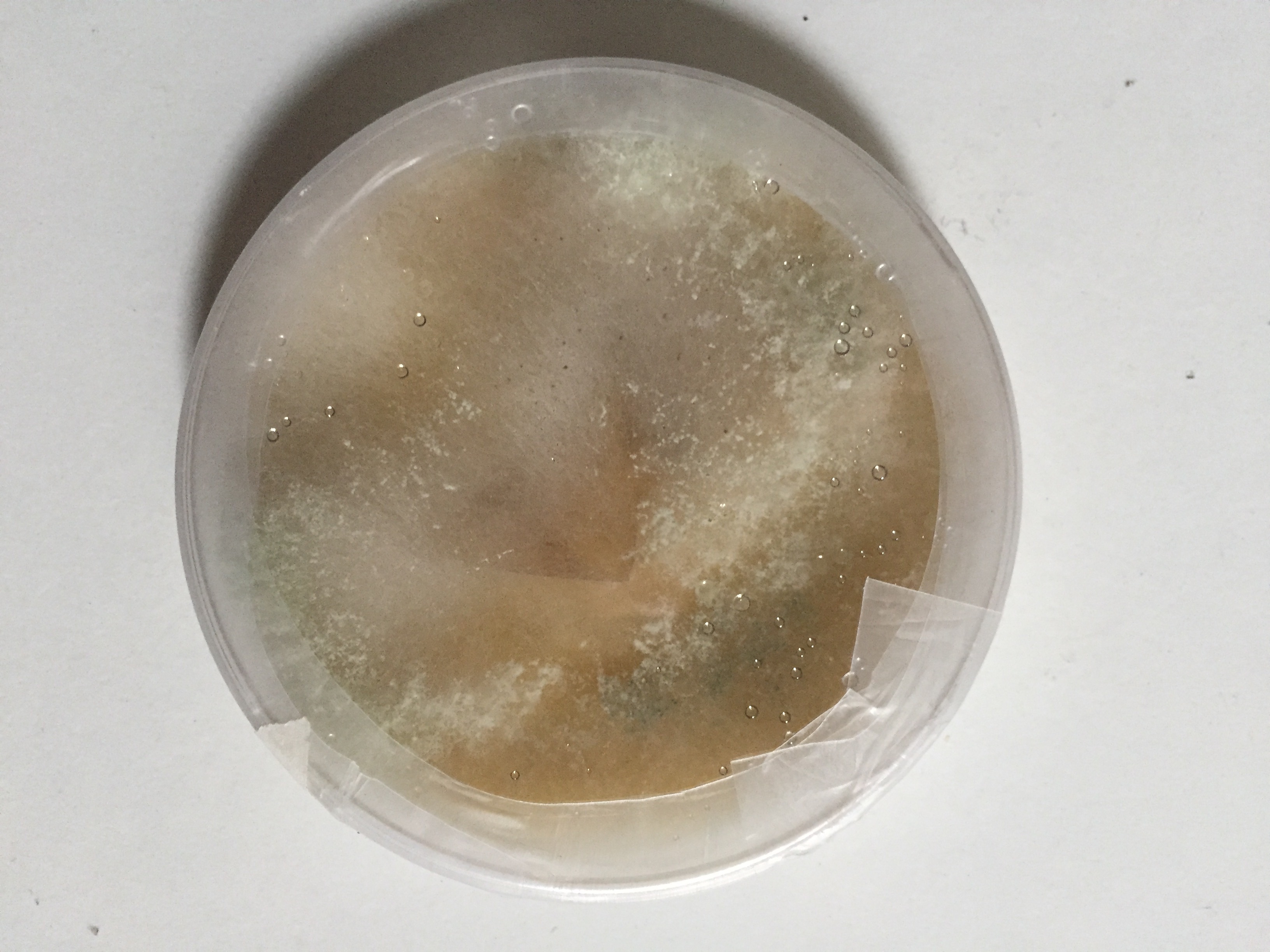
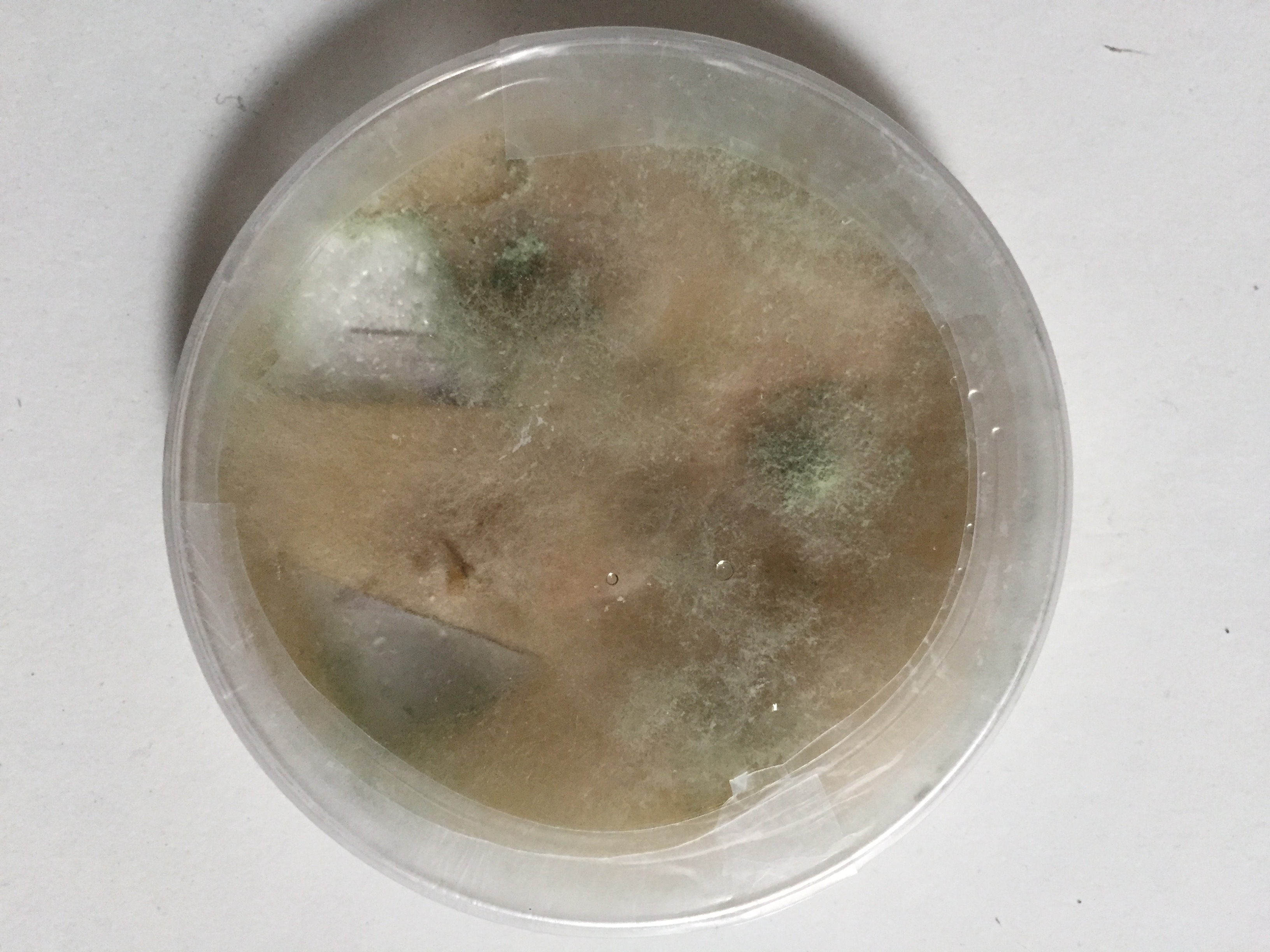
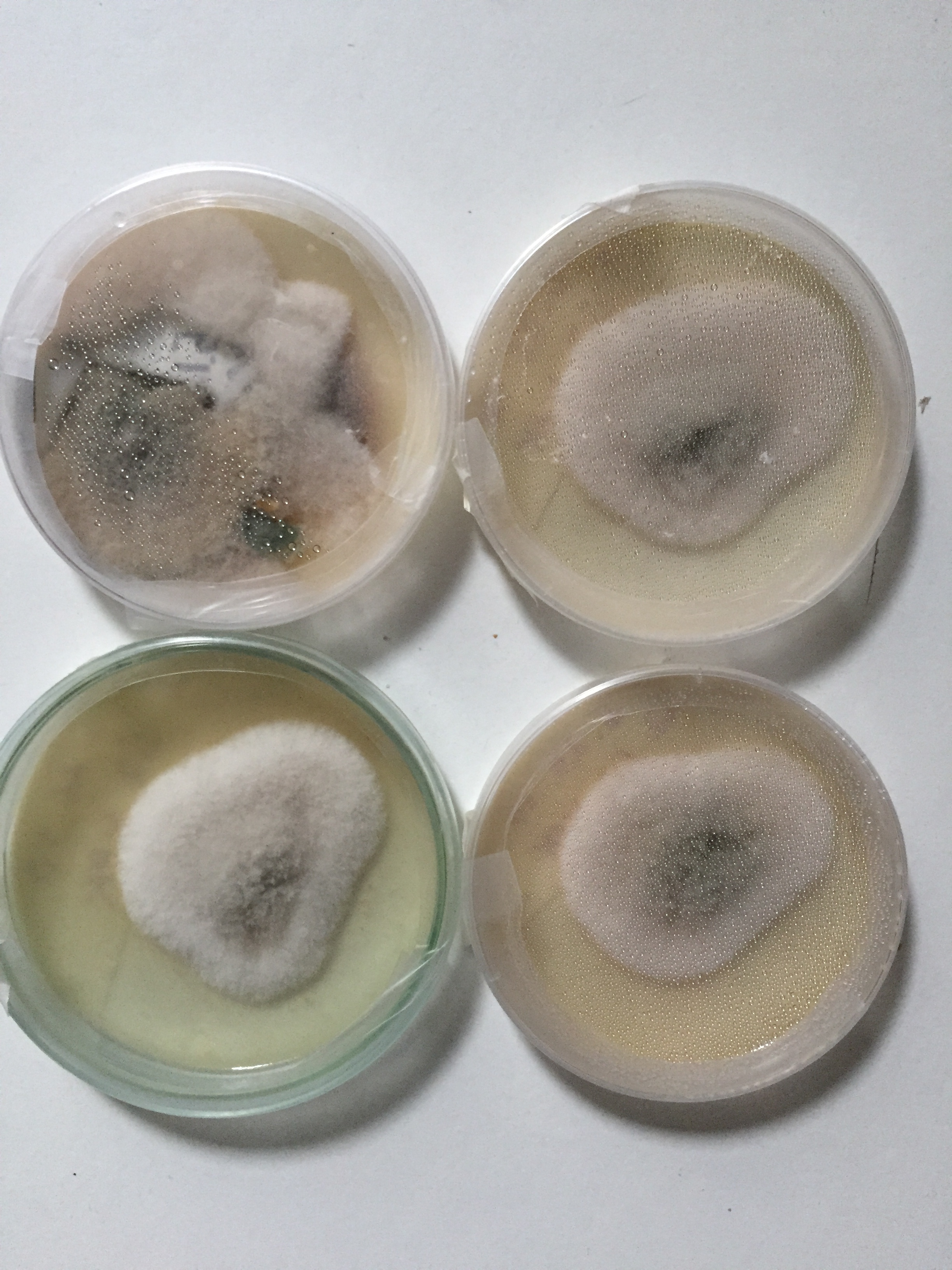
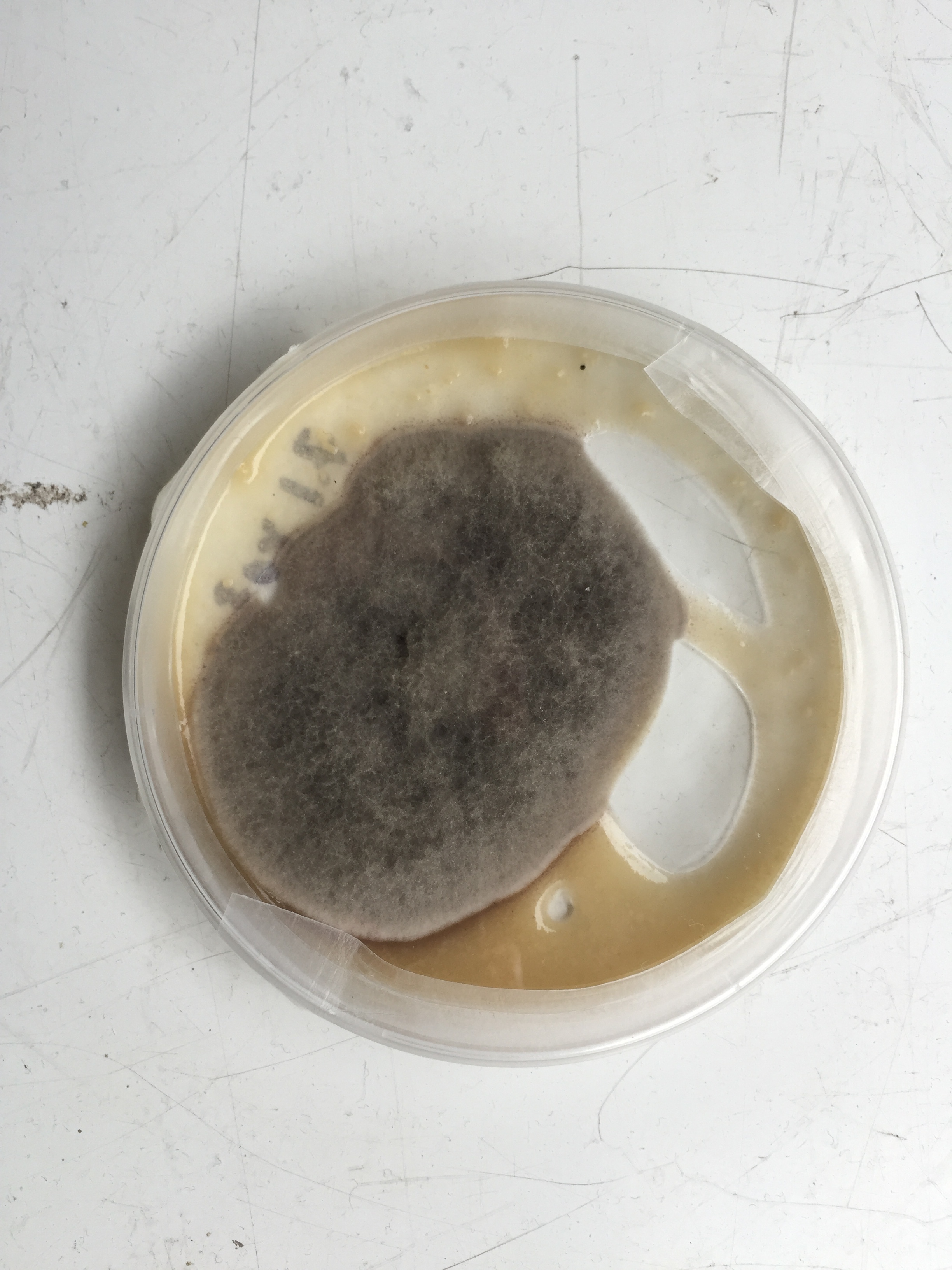
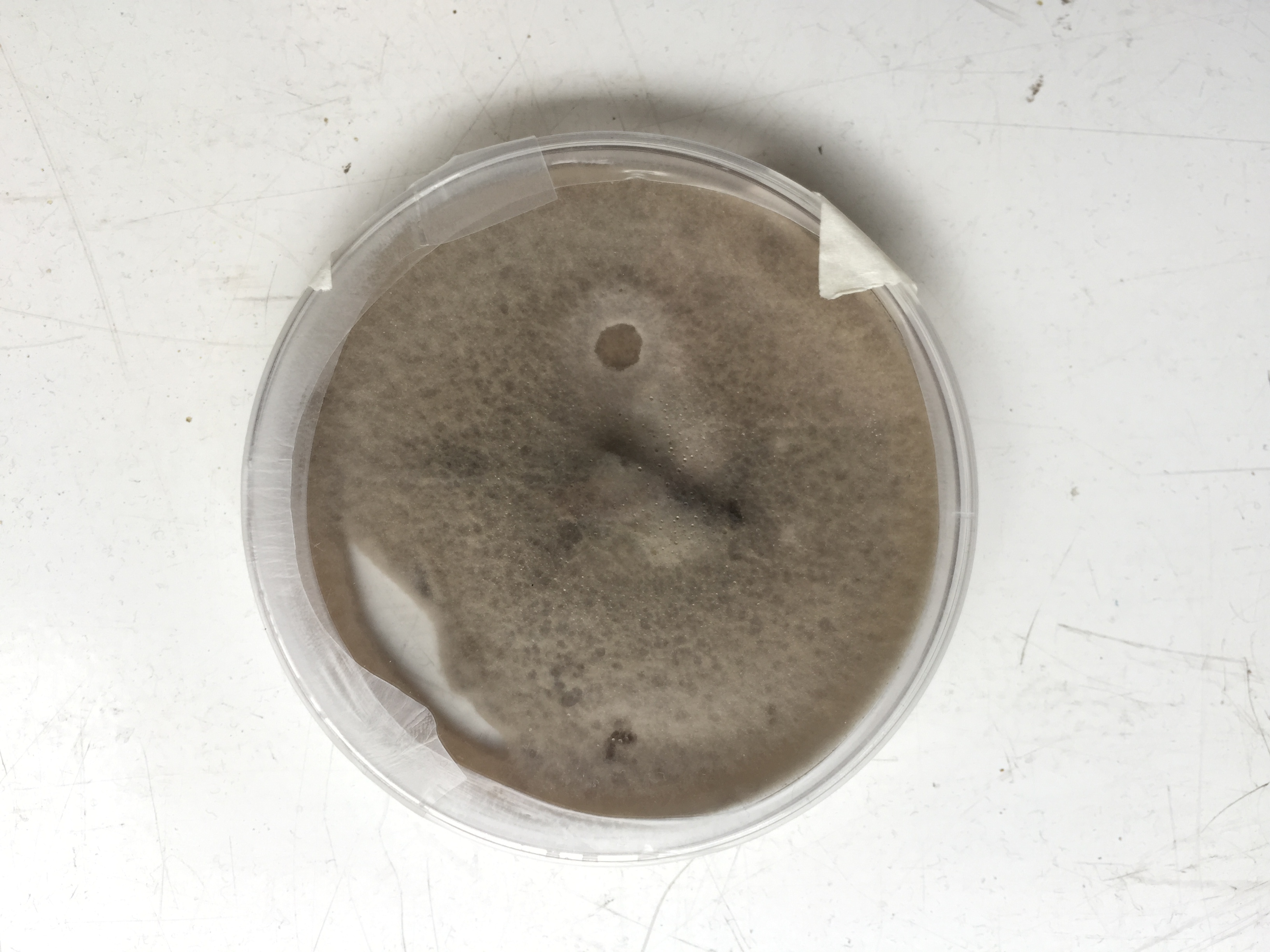
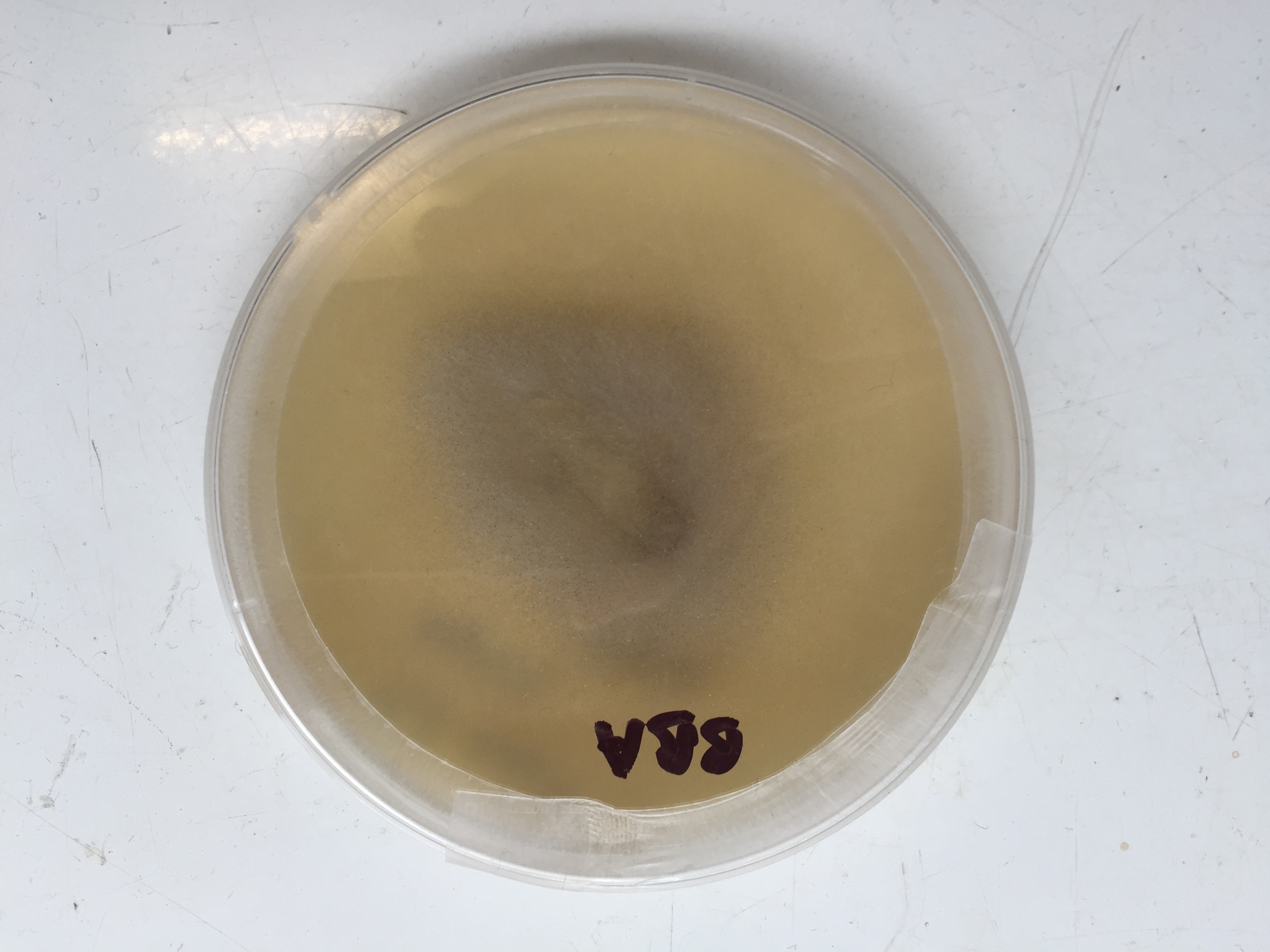
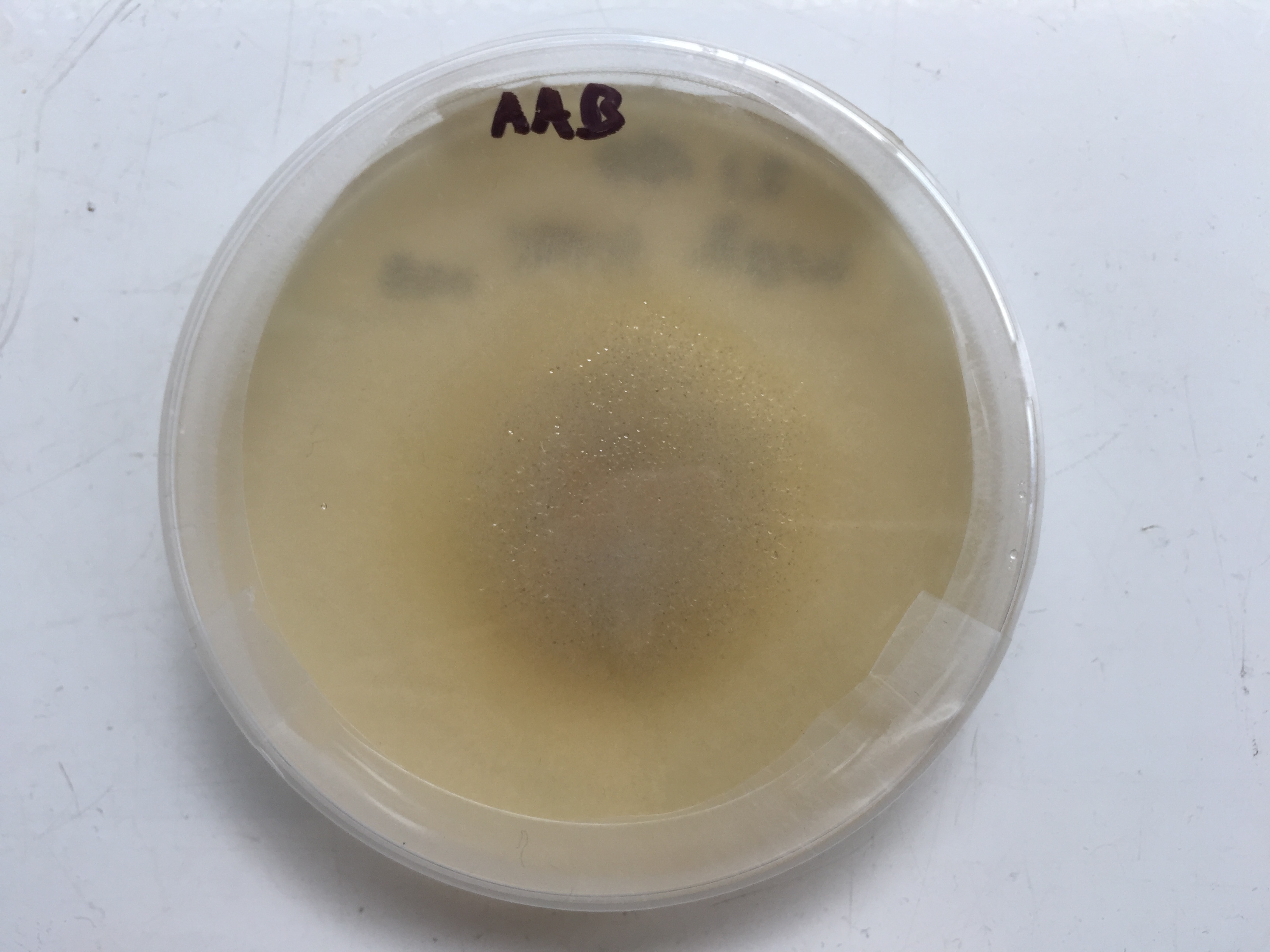
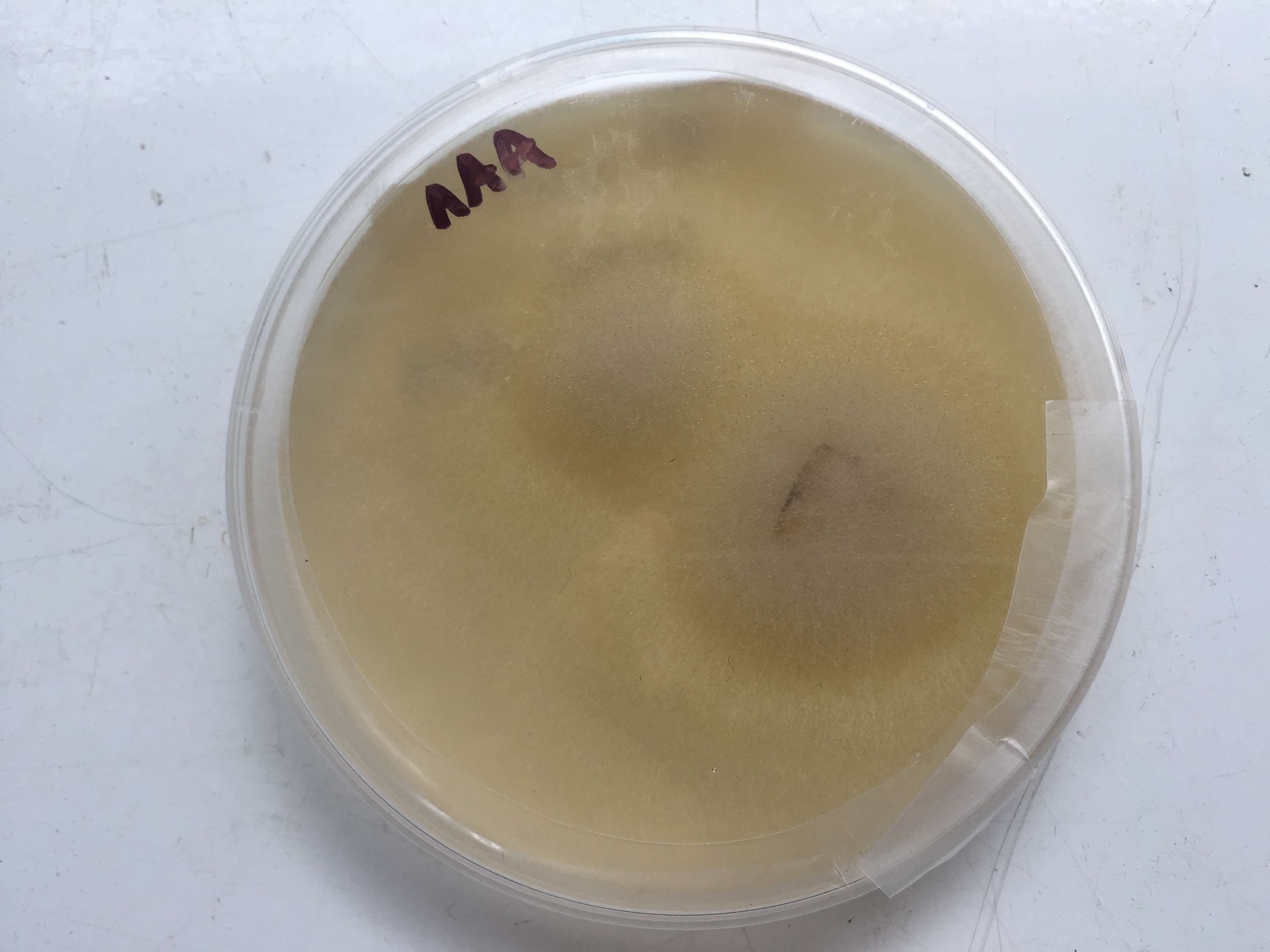
On 5.15 (9 days ago) we (Kiez Pilz) attempted to clone mycelium into agar from a wild oyster mushroom that Logan and Ann foraged on a hike, and from a yellow oyster mushroom which they grew.
Prior to cloning, the wild oyster had been stored in the fridge for one week.
At Top Lab, we poured agar into plastic and glass petri dishes (using a soy-molasses-agar recipe), and then transferred mycelium pieces into the plates in the flow hood, letting each mycelium piece sit in hydrogen peroxide for 5 minutes before putting it into the agar (will link to the protocols here).
After four days we saw some mycelial growth (and also some contaminations), in both yellow and wild oyster.
There was no contamination in the petri dishes we poured which we did not transfer into.
We also used a couple petri dishes which were professionally poured by the TU lab in Berlin and given to Top Lab. These dishes also contain anti-biotics and I do not know the exact recipe they used for the medium.
Due to life events and busyness, I was not able to check on the petri dishes again until today (9 days after the transfer) and there is no significant growth and contaminations. Here are the photos:
Beautiful photos! I agree that [4] is looking good. 2-4 more transfers of that and you’ll be able to run with it with full confidence.
The mycelium in [1] is looking strong. I wouldn’t be surprised if it ends up overrunning the patch of Trichoderma. I sometimes struggle to identify mycelium when I clone wild specimens or work with a new species…I’ve learned to be skeptical of the kind of growth seen in [2] (more whispy and fast-moving (although that could just be how Pleurotus citrinopileatus grows - never worked with it myself).
[5] and [6] look like they have some bacteria / yeast.
Have you ever heard-of or tried the repour technique for dealing with contaminated plates? It’s where you pour a fresh layer of agar solution over the existing layer in the hopes that the mycelium will grow up to the surface and the contams will be left below. It’s a good one to keep in mind if you’re ever in a desperate situation (ie. only have a single plate of a valuable culture and it’s contaminated).
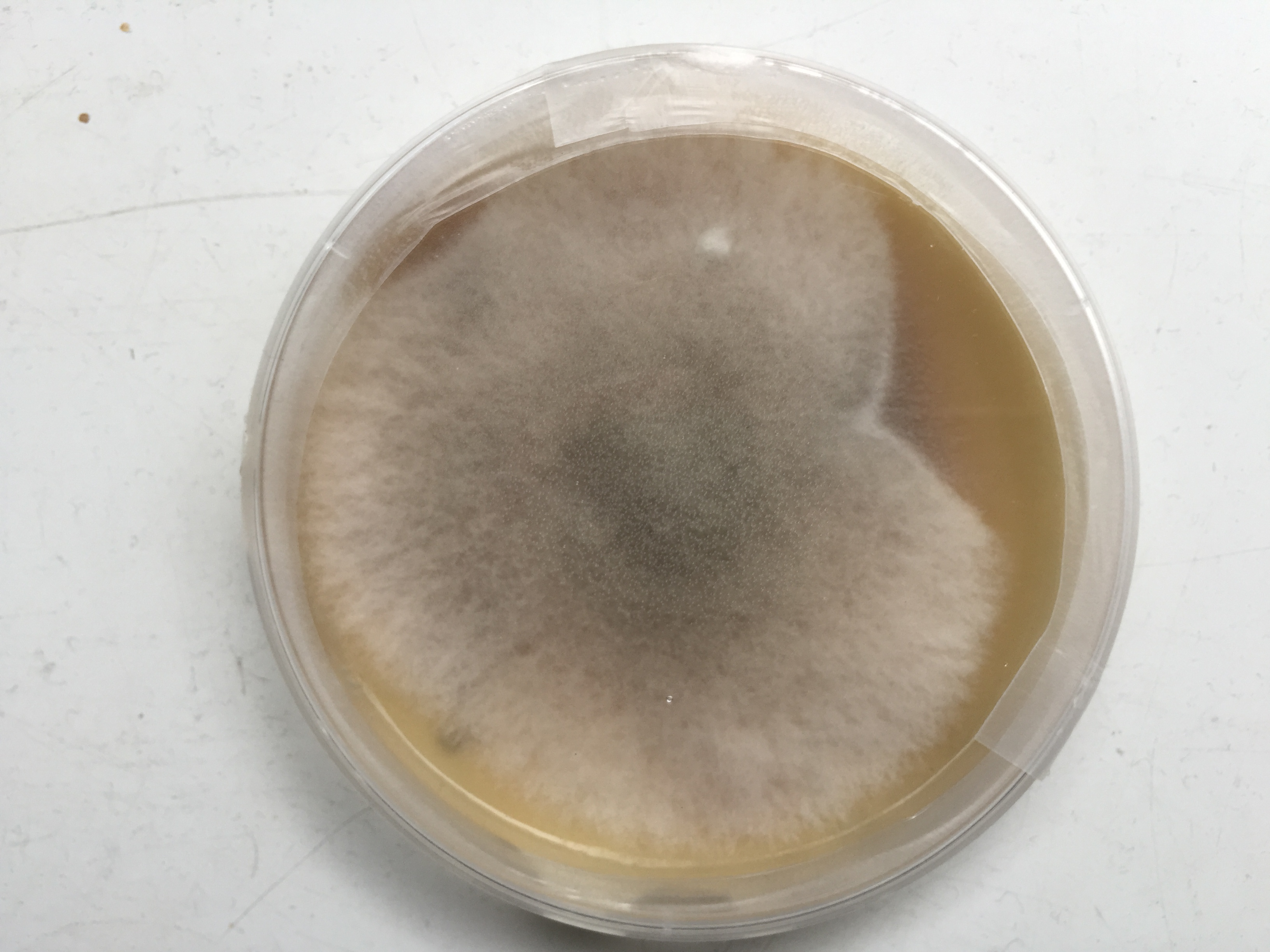
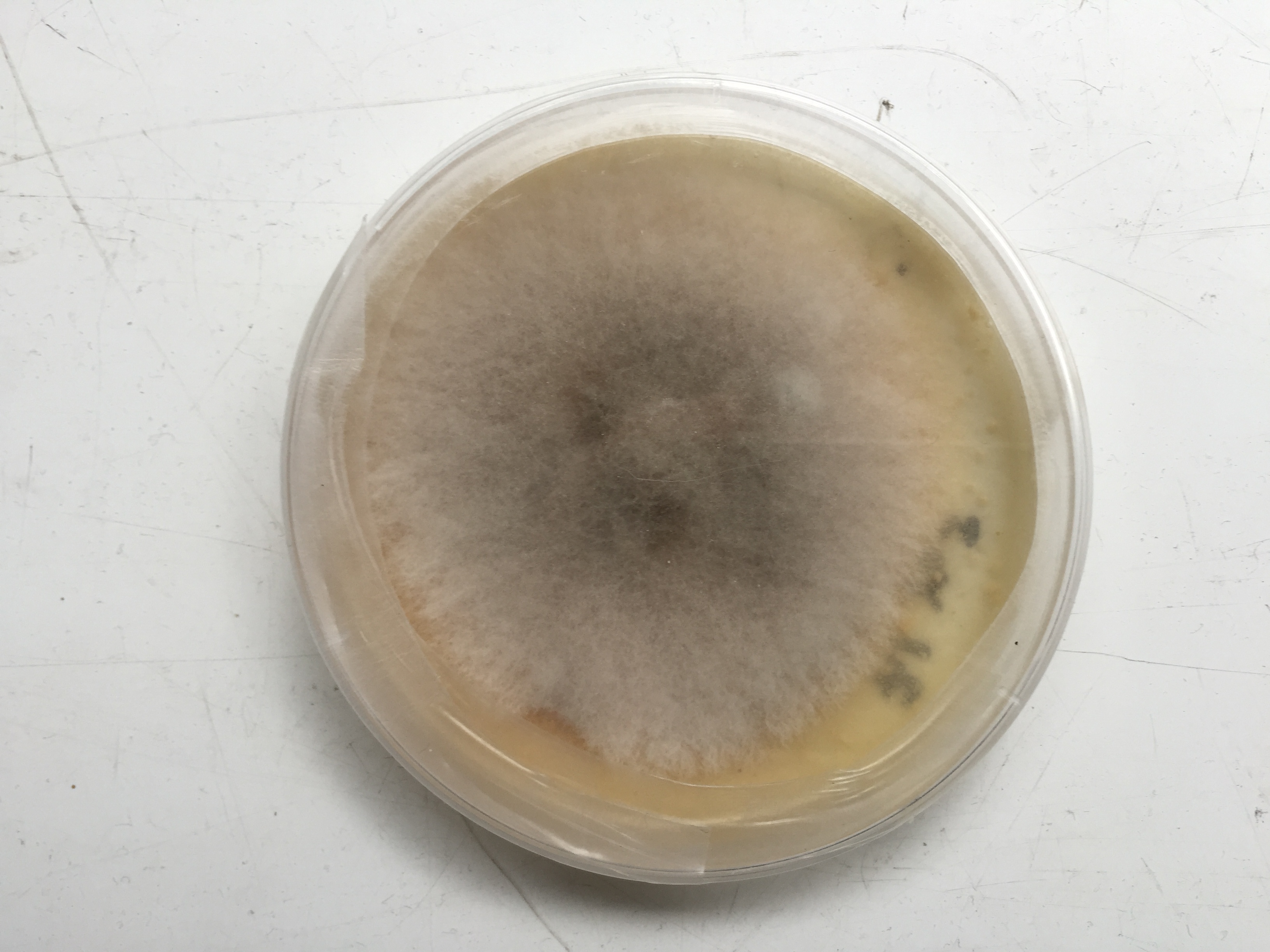
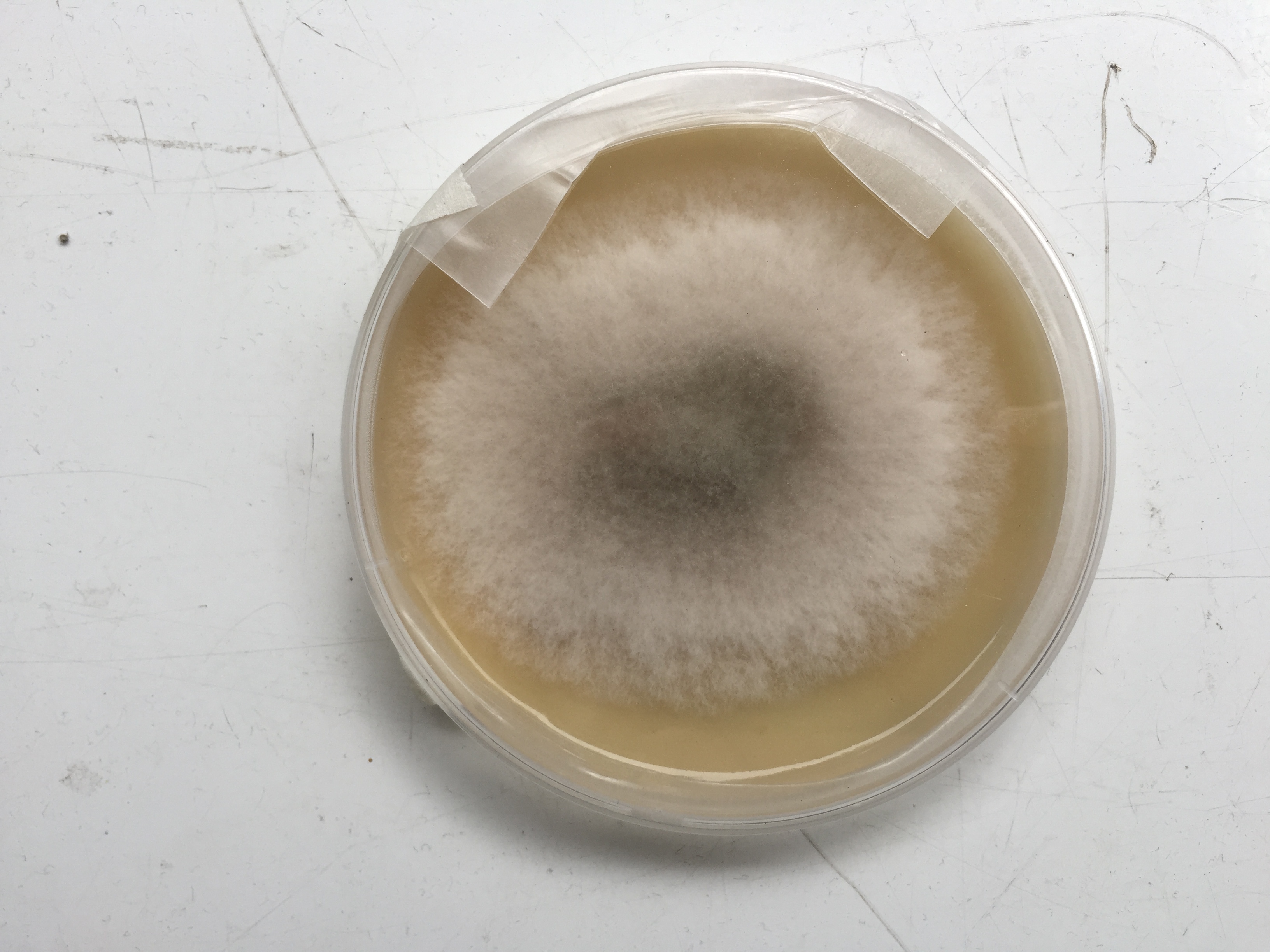
top two photos are transfers, and the bottom photo is of the original [4]
I was hoping to keep around some of the original in case the transfers didn’t work, but worse still, it seems I also contaminated the original while transferring
I did the transfer in the flowhood, and thought I had flame sterilized the scalpel, but apparently something happened
I spent the last hour feeling a bit heartbroken about it … is it better to have loved and lost or to have never loved at all? I will choose to interpret this feeling as noticing I was really excited about the potential instead of fixating on the error
I may try doing another transfer from [6] despite appearing wispy
thanks for taking a look and sharing thoughts, nice to have another experienced set of eyes. Also had never heard the repour technique, sounds interesting. Although the wild oyster transfers look super contaminated now so I don’t know if it could help here
top left is original [1] and the others are transfers
although this mycelium looks very different from what I saw when I was isolating Pleurotus Ostreatus, so a part of me is wondering if I’m even isolating yellow oyster here, or if I’m just doing a good job of isolating some other unknown white mold
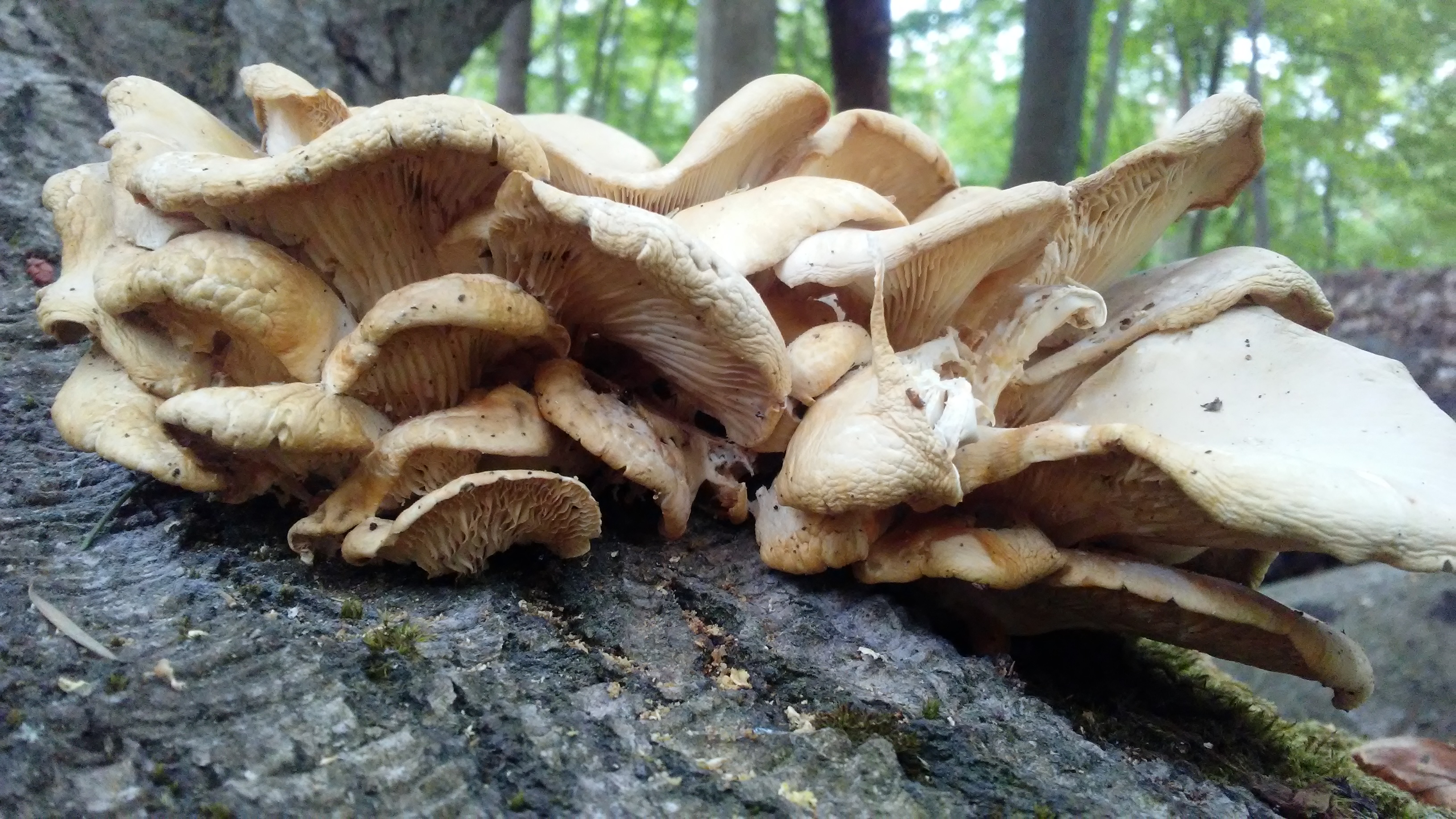
Here is a photo of the wild oyster which the sample was taken from. It was growing out of the top of a log that was about a meter in diameter and 2 meters long that had been cut down a while(?) before.
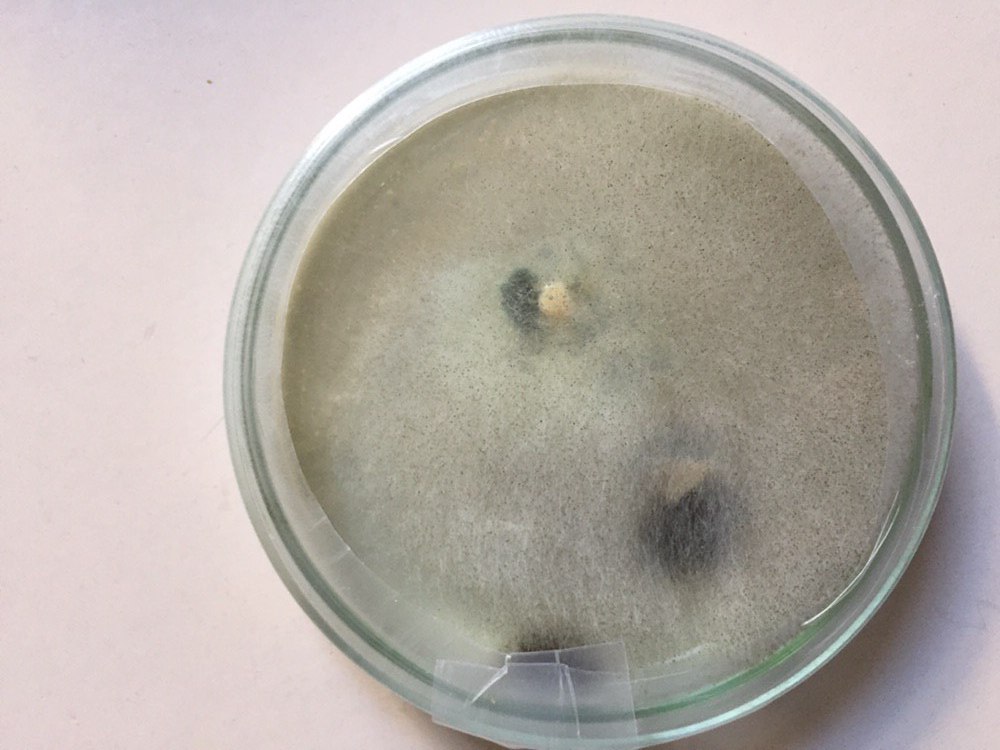
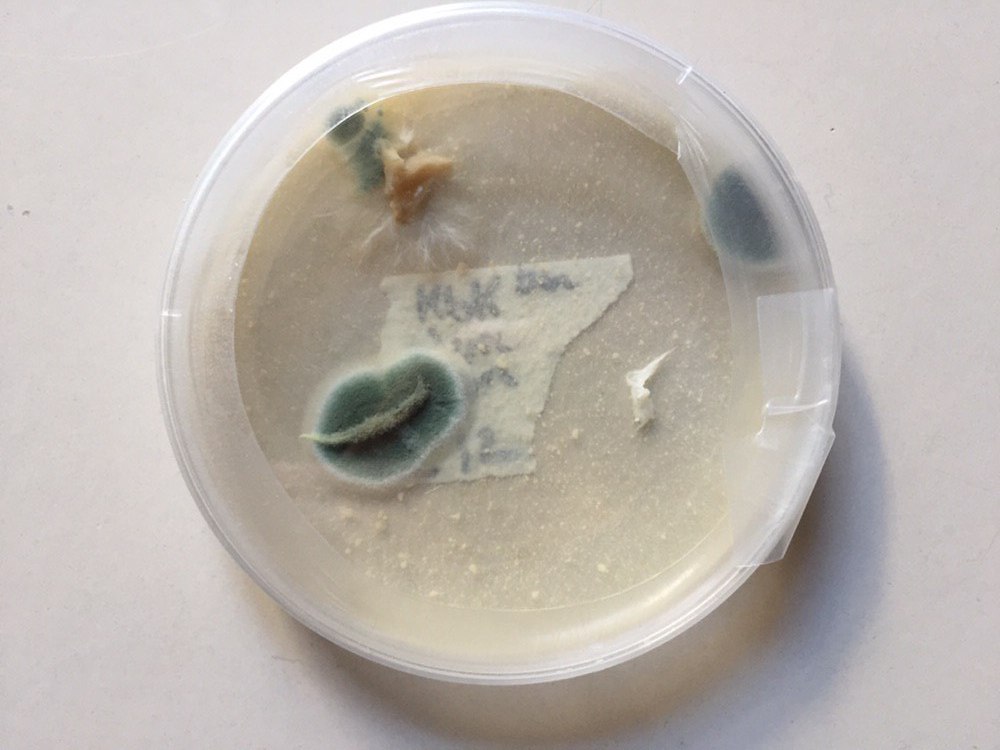
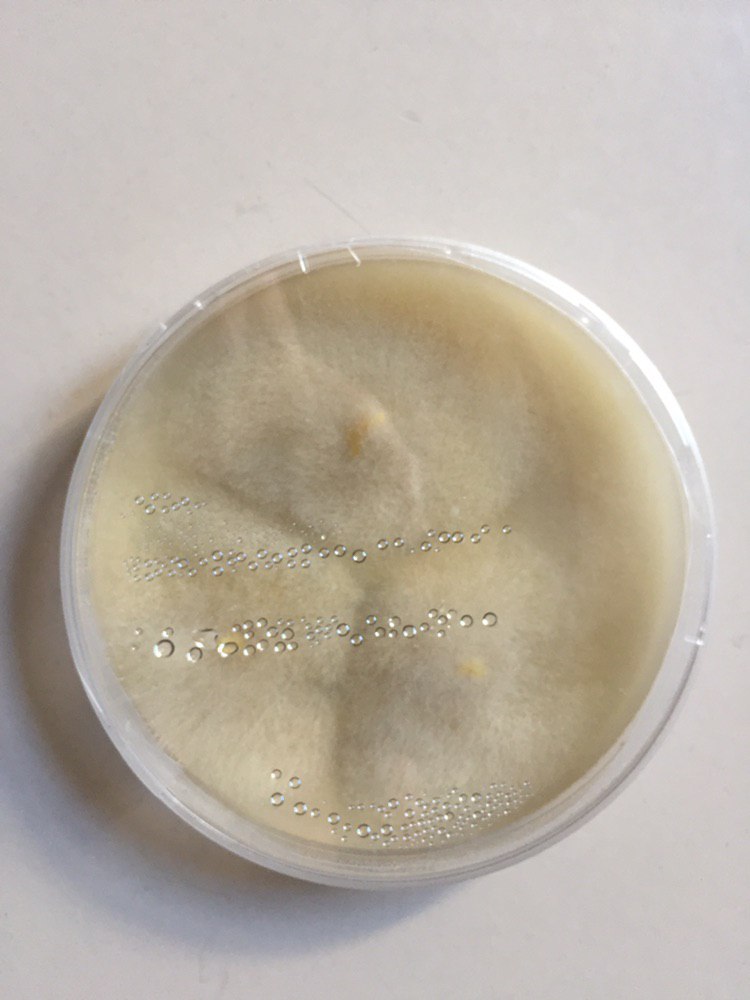
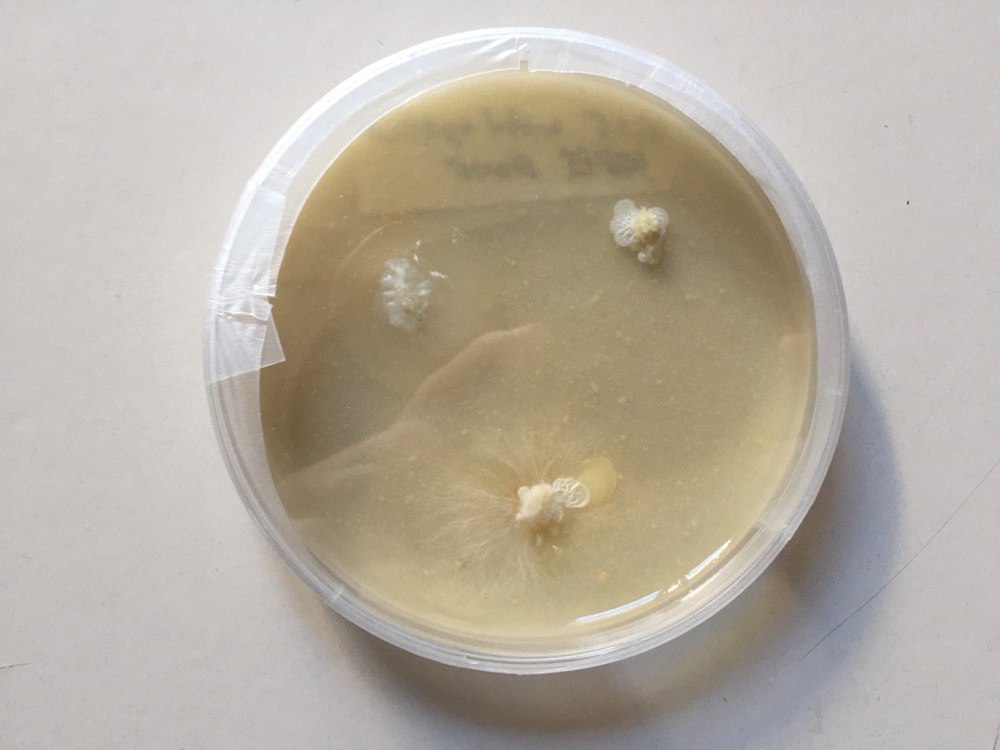
these are 3rd generation from the yellow oyster. with each transfer, I transfer from edge, but then somehow this black contaminant comes again in the center
as can be seen from the following photos below, left long enough, the black contaminant takes over the whole culture
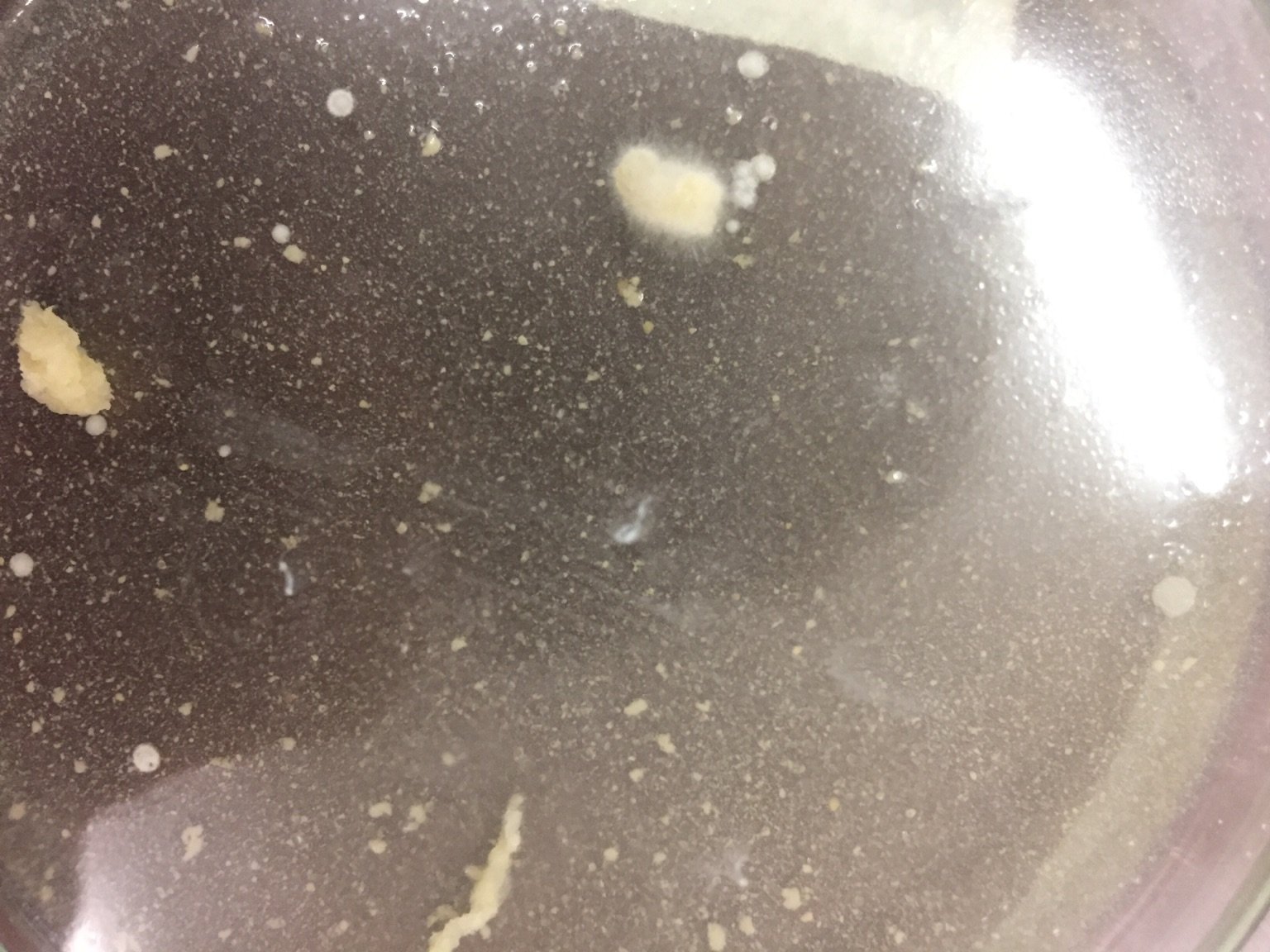
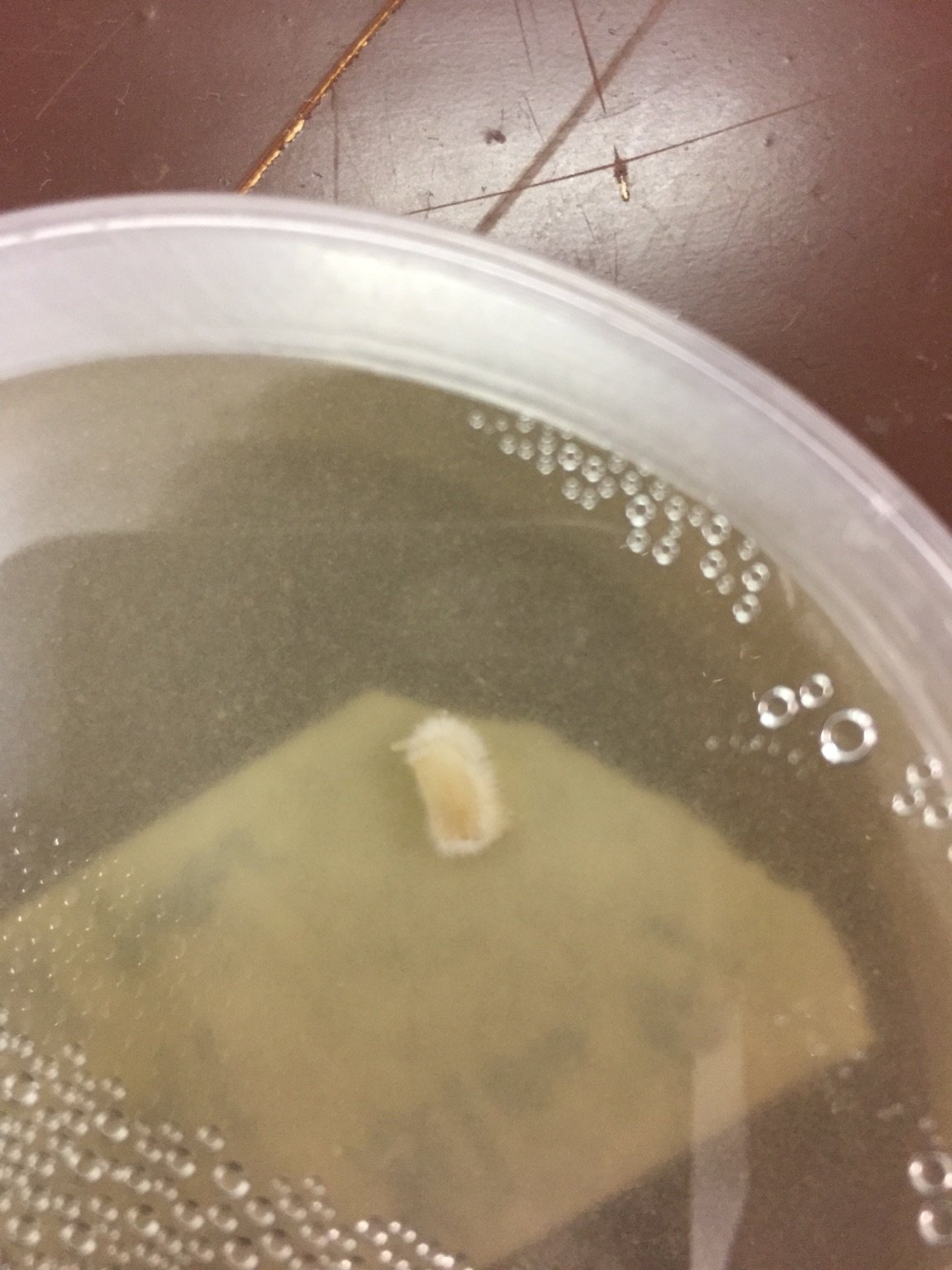
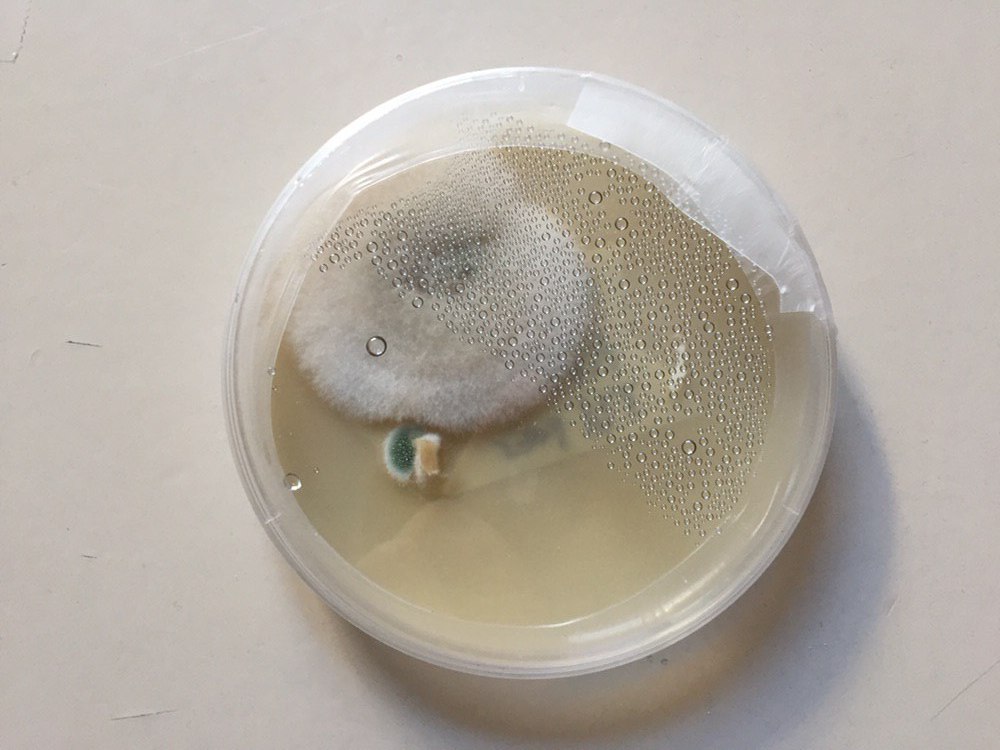
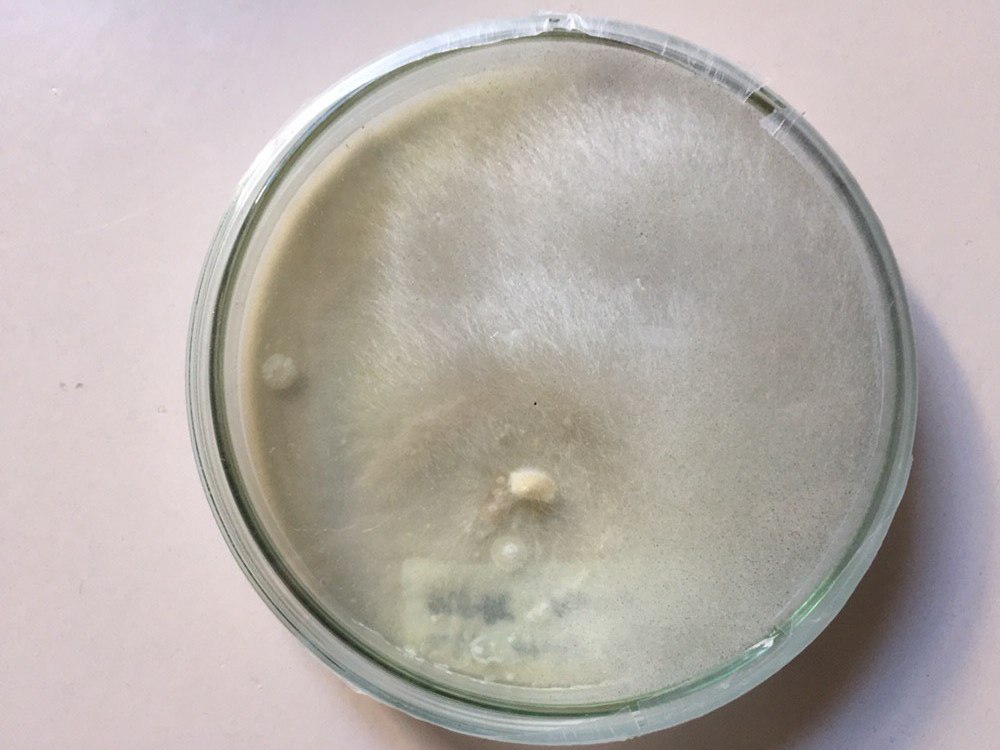
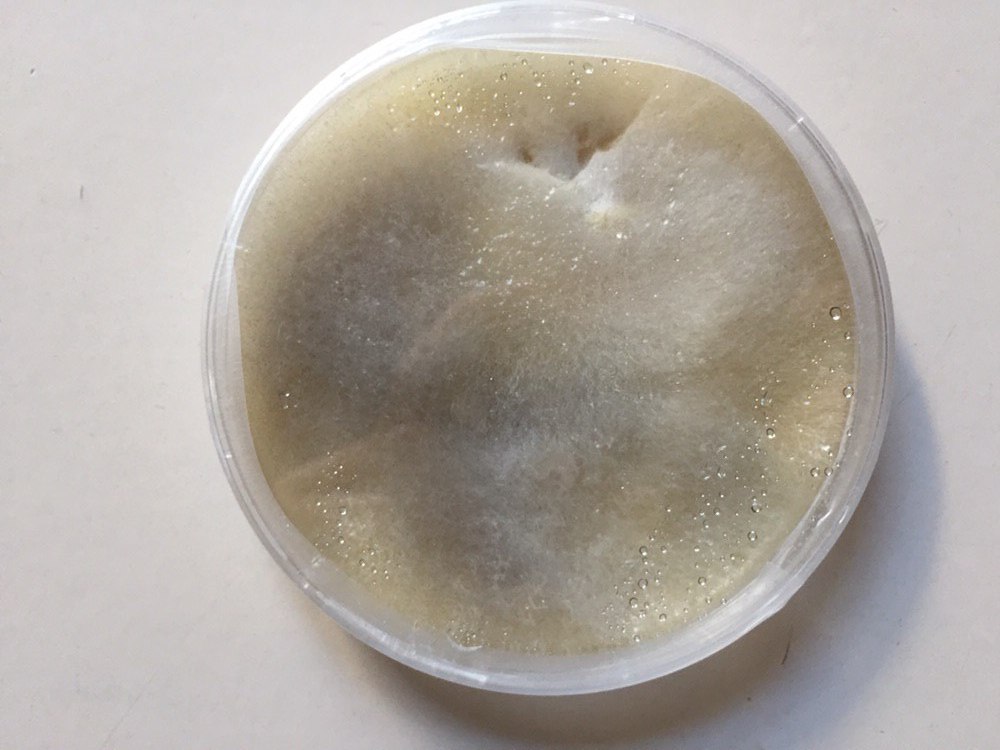
 … but I will still transfer and isolate from this